

Western Europe experienced its warmest period this summer, according to the EU’s Copernicus Climate Change Service. Temperature records continue to be smashed, with no end to the heatwaves currently in sight.

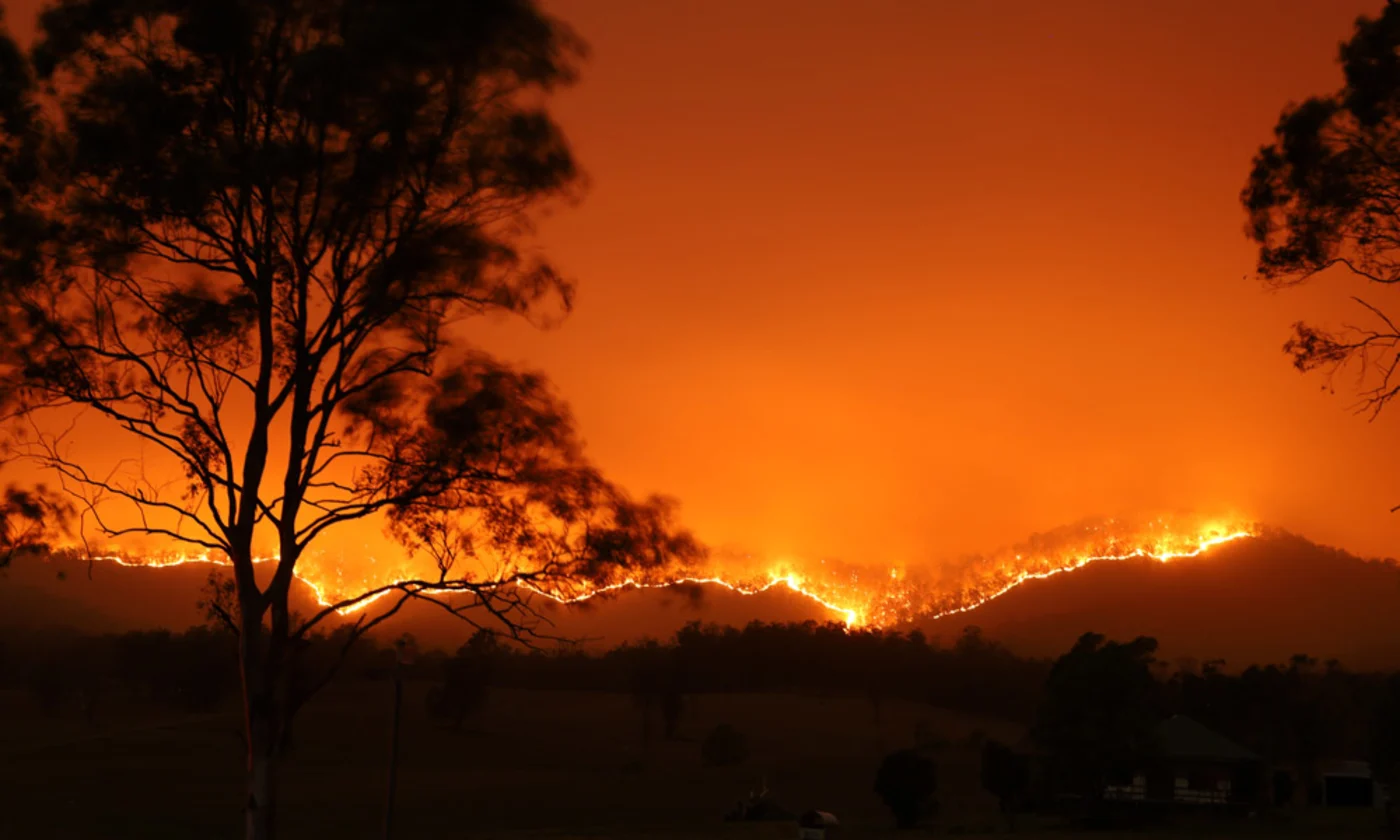
In northern Greece a three-kilometre wall of flames up to 30 metres high forced hundreds of tourists into the sea, as wildfires also run across Croatia, France and the UK. More than 200 firefighters, water-bombing planes and helicopters battled for hours to stop a blaze spreading across the Halkidiki peninsula, south of Thessaloniki, as it bore down on the resorts of Siviri and Fourka, packed with summer tourists.
Judging evacuation by road too dangerous, officials sent around 500 tourists into small boats, coast guard vessels and fire brigade craft, including roughly 200 taken to a ship waiting offshore, while cars trying to flee by road became gridlocked.
We can find the climate crisis behind this extreme weather, El Niño and a hotter-than-usual ocean have combined to lock hot, dry air over much of the continent for the fourth time since May.
The impact has been devastating, with Reuters reporting an estimated 10,000 deaths during June’s heatwave, and the whole continent facing a hard new reality. As of early August, water levels are falling, with the River Danube at record low and threatening the power supply in Hungary, as the UK is facing concerns over food supply pressures. In Italy the major cities are on the highest alert.