


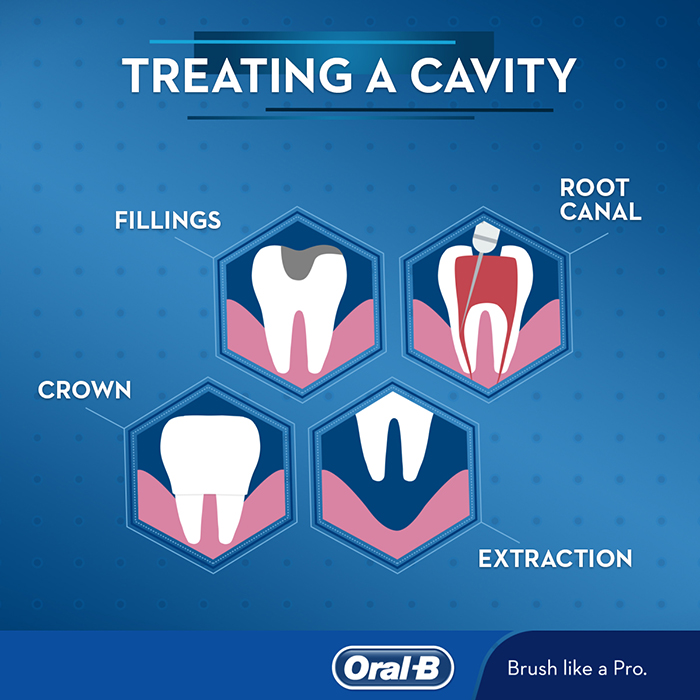
For many people, a visit to the dentist brings back unpleasant memories—the piercing sound of the dental drill, the anxiety of waiting for treatment, and the fear of pain. Because of these fears, countless people postpone dental appointments, often allowing small cavities to develop into much more serious problems.

That may soon change. Scientists have identified a simple and highly promising way to stop tooth decay without drilling. The treatment uses a liquid called silver diamine fluoride (SDF), which can arrest cavities quickly and painlessly. Dentists simply apply the solution directly to the decayed area with a small sponge-tipped applicator. The entire procedure takes only a few seconds per tooth and requires no drilling, anesthetic injections, or sedation.
SDF is far from a new discovery. It has been used successfully in many countries for decades. In the United States, dentists have been using it off-label since 2014, when it was approved as a medical device to reduce tooth sensitivity.
Until recently, however, large-scale U.S. clinical trials demonstrating the safety and effectiveness of SDF as a treatment for tooth decay had been lacking. Such evidence is required before the U.S. Food and Drug Administration (FDA) can approve SDF as a drug for treating cavities.
Now, a major clinical trial led by the University of Michigan has provided exactly that evidence.
The Phase III study, published in JAMA Pediatrics, involved 830 children younger than six years of age. Participants were recruited through dental offices, pediatric medical practices, and the Head Start and Early Head Start programs in Michigan, New York, and Iowa.
“This is a very effective and safe treatment—even for children as young as one year old,” said Margherita Fontana, Professor at the University of Michigan School of Dentistry and the study’s lead investigator.
Tooth decay is the most common chronic disease among children. It affects more than 40% of children in the United States and at least 60% of children across Europe. When left untreated, cavities can cause severe pain, infections, difficulty eating and sleeping, missed school days, and repeated medical visits. In some cases, young children even require surgery under general anesthesia because the decay has become too advanced.
The findings suggest that SDF could transform the way early childhood cavities are treated. By offering a fast, inexpensive, and non-invasive alternative to traditional drilling, the treatment has the potential to make dental care far less stressful for children and their families while improving access to effective cavity treatment.