

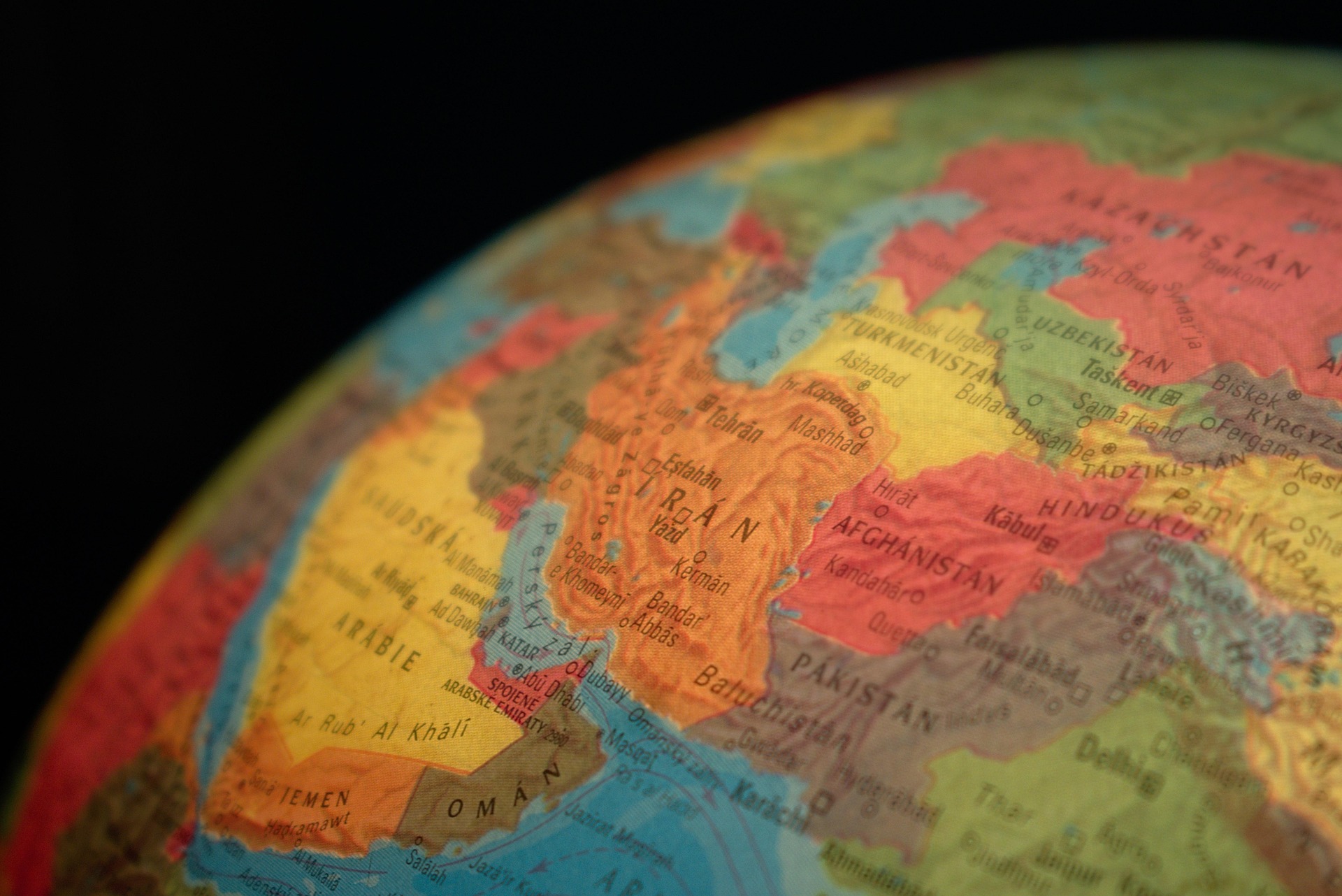
The EU encourages regional integration by supporting the South Asian Association for Regional Cooperation (SAARC). The member countries of SAARC are Afghanistan, Bangladesh, Bhutan, India, the Maldives, Nepal, Pakistan and Sri Lanka. The EU, Australia, China, Iran, Japan, South Korea, Mauritius, Myanmar and the United States have observer status. Unfortunately, due to political tensions between member states, in particular between India and Pakistan, as well as the unstable situation in Afghanistan, the work of SAARC has stalled. Earlier the organisation had made progress in addressing regional issues, including economic cooperation and humanitarian crises. However, challenges such as structural weaknesses and economic disparities among member states persist. Currently, SAARC countries are grappling with increasing import costs and fuel shortages due to the war in the Persian Gulf. To cope, national governments are introducing austerity measures aimed at cutting energy consumption, preserving economic stability and reassuring their domestic markets.

EU-SAARC cooperation seeks to promote the harmonisation of standards and the facilitation of trade, as well as to raise awareness about the benefits of regional cooperation. Recent initiatives have focused on climate change mitigation and digital transformation. In 2024, the EU and SAARC launched a joint programme to enhance regional connectivity and promote sustainable energy.
At the 5th EU-India summit in November 2004, the India-EU Strategic Partnership was adopted, which promoted political dialogue and cooperation, the development of economic relations, trade and investment, as well as the strengthening of people-to-people exchanges. The agreement reduces tariff and non-tariff barriers, cutting EUR 4 billion per year in tariffs for all exporters and unlocking significant trade and investment opportunities. As of January 2026, 6,000 EU companies are operating within India, and EU-India trade supports close to 800,000 jobs in the EU. EU goods exports to India are expected to double by 2032.
Human rights situation: India’s caste system is one of the world’s oldest forms of social class organisation, which raises concerns about continued discrimination on grounds of caste. The country is also an ethnic and linguistic mosaic, with tensions in a number of states and reports of human rights abuses and violations of women’s and children’s rights. According to the International Labour Organization, child labour continues to be a serious problem in India, despite Prime Minister Modi approving a series of measures prohibiting children under the age of 14 from performing hazardous tasks, with tough penalties for employers who break the law.
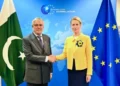
EU-Pakistan relations date back to 1962 and are currently based on the 2004 Cooperation Agreement and the EU-Pakistan Strategic Engagement Plan, signed in 2019. The EU, as a major development and aid donor, supports the promotion of democracy and institution-building in Pakistan.
Pakistan is the largest beneficiary of the EU’s unilateral trade preferences under the Generalised Scheme of Preferences Plus (GSP+). As part of the process, Parliament’s Committee on International Trade monitors compliance with the GSP+ requirements. Pakistan’s GSP+ status could be reviewed, as it comes with obligations such as guaranteeing human rights and religious freedom.