

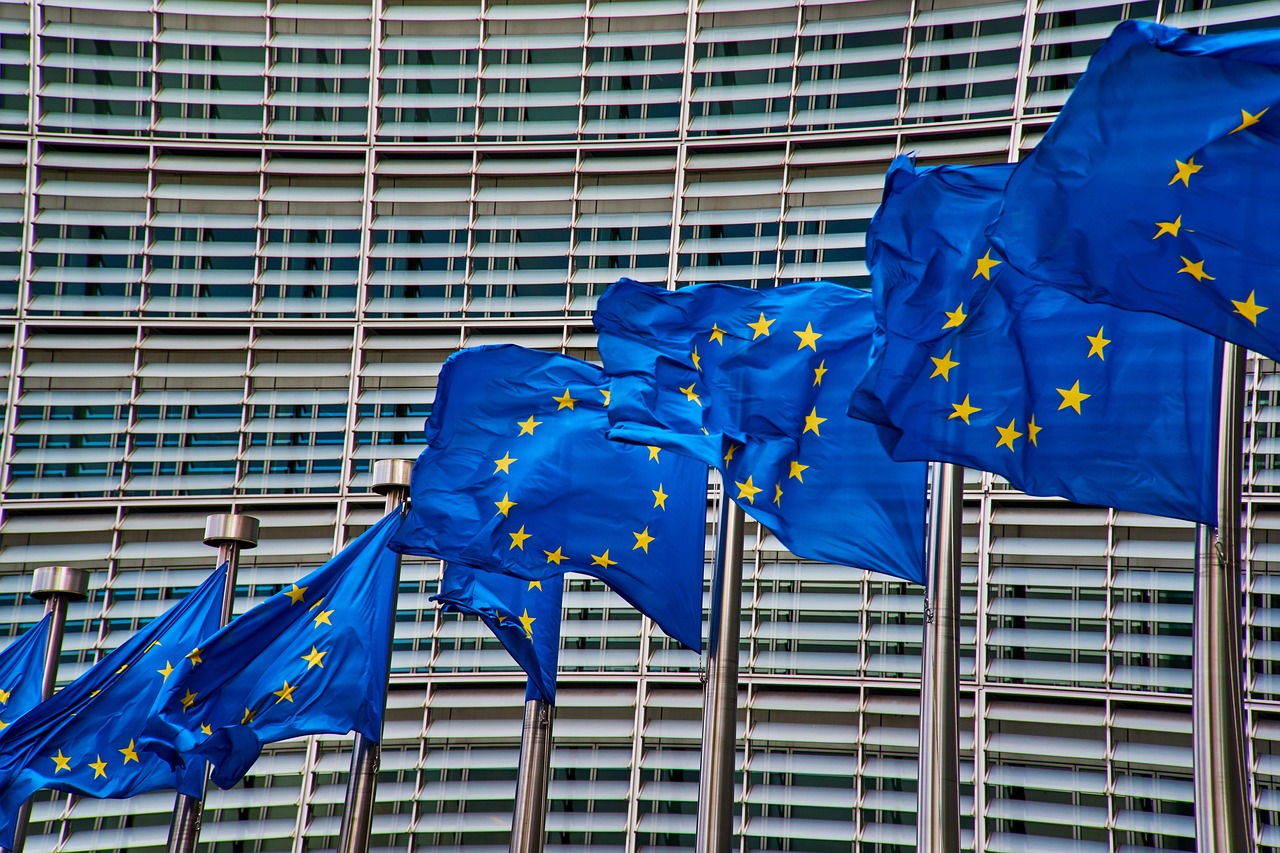
The European Commission will propose a major overhaul of how the EU takes decisions to bypass national vetoes and introduce new rule-of-law safeguards as it seeks to incorporate additional members, such as Ukraine, Montenegro and Albania.

Ursula von der Leyen will table a blueprint for the biggest change to the internal functioning of the EU for decades when she makes a major announcement on how to prepare for a larger Union of 30+ members, without amending the Lisbon EU Treaty.
Two internal draft documents of a long-delayed enlargement strategy suggest using legal bridging clauses to drop the requirement for unanimity among the 27 countries during the many intermediate stages of a candidate country’s EU membership bid.
The EU should become less consensual, said the document that will form the basis of the Commission president’s plan next week. “Consensus strengthens political ownership and democratic legitimacy. However, it can also delay – or prevent – timely decisions in areas where the Union most needs to act,” the document says.
It will also likely face pushback from current members wary of losing their veto, though the draft floats an “emergency brake” that a government could activate if it considers that “vital national interests” are threatened.
The Commission suggests applying the lower threshold of qualified majority voting — 15 countries representing two thirds of the bloc’s population — on a wider range of policies, including sanctions, human rights, defence and security, and tax evasion.
“As the Union enlarges, the risk that decisions are delayed or blocked will inevitably increase,” the internal paper said. To that end, the Commission will “set out a work programme for using the passerelle clauses.”
‘Passerelle clauses’ are bridging provisions in the EU treaties that allow for voting rules on specific policy areas to be changed permanently from unanimity — where all countries can wield a national veto — to qualified majority voting.