

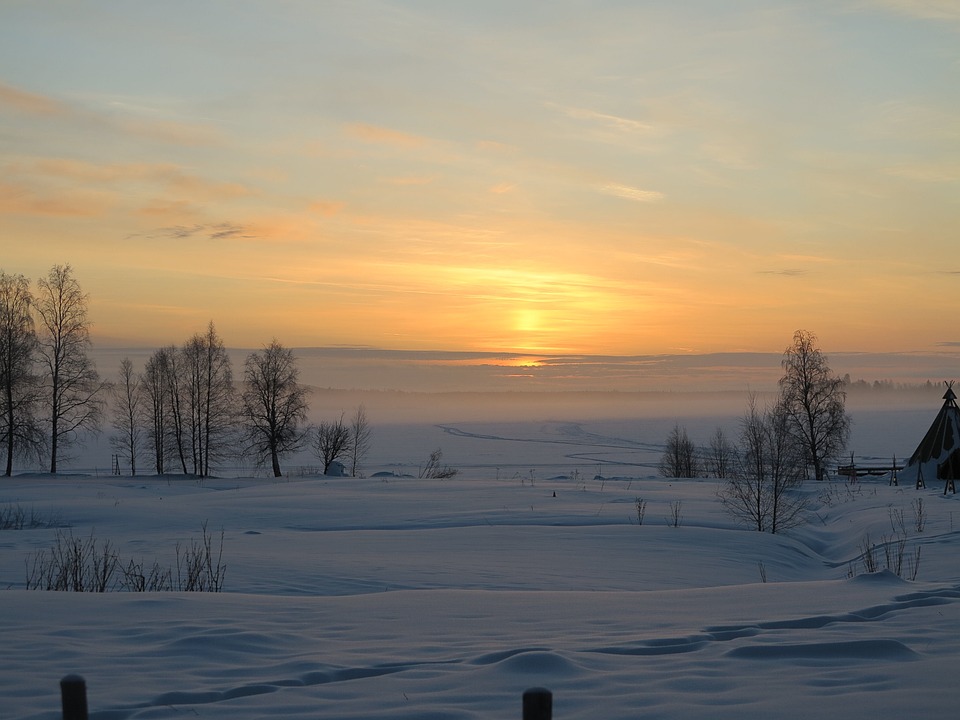
Prime Minister Petteri Orpo has invited a group of EU leaders to the European Arctic Summit in Rovaniemi on 13–14 September. The aim of the summit is to strengthen the EU’s common strategic approach to the Arctic region as its geopolitical significance continues to grow rapidly.

“The Arctic region is an increasingly important part of Europe’s security environment. The European Union has direct interests in its stability, security and sustainable development. It is very valuable to be able to discuss these issues together with a comprehensive group of EU leaders,” said Prime Minister Orpo.
In a region undergoing rapid climate, geopolitical and economic change, the EU works closely with Arctic States, like minded partners and regional organisations to uphold cooperation, address shared challenges and integrate Arctic issues into its wider external relations.
The Arctic Council, established in 1996 by the eight Arctic States, remains the primary intergovernmental forum for cooperation among the eight Arctic States and Indigenous Peoples. Denmark (as the Kingdom of Denmark), Finland and Sweden are Members, several EU Member States are Observers and the EU participates as a de facto observer, contributing to the Council’s work and subsidiary bodies, particularly on environmental, climate and scientific issues.
Since its first Communication on the Arctic in 2008, the EU has strengthened its Arctic policy framework and diplomatic presence. The EU engages bilaterally with Arctic States and stakeholders through its network of Representations and its diplomatic network of EU Delegations across the region, as well as through the European Commission Office in Nuuk, Greenland. The EU’s diplomatic work in the Arctic regions is coordinated by the Special Envoy for the Arctic.