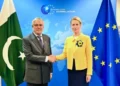


The India–European Union Free Trade Agreement (simply called the India–EU FTA) is a comprehensive free trade agreement concluded between the Republic of India and the European Union (EU) on 27 January 2026, following negotiations that spanned nearly two decades. The agreement was announced at an India–European Union summit in New Delhi and aims to liberalise trade and investment between the two economies through phased commitments covering goods, services, and regulatory cooperation.

The agreement has to be ratified by all member states, that’s why the Commission submitted its proposal to the Council on 11 September 2026. Member states must first approve the Council decision authorising signature. The EU and India can then sign the agreement, after which the European Parliament must give its consent. India must also complete its own ratification procedure before the FTA can enter into force.
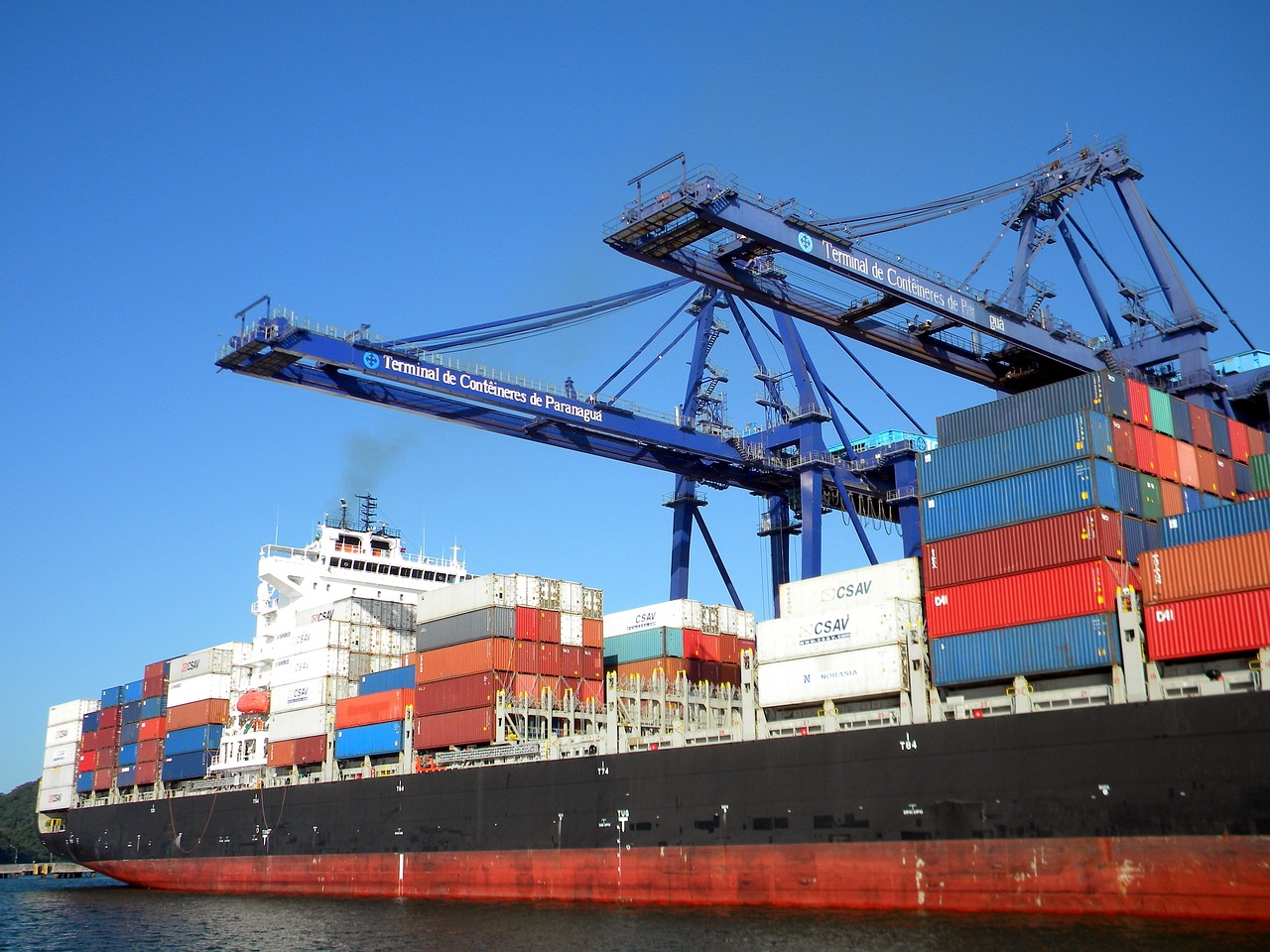
Once operational, the FTA would be the largest trade agreement entered into by either side, according to the EU. India and the EU already trade more than €180 billion worth of goods and services annually. The EU estimates that tariff reductions under the agreement could save European exporters around €4 billion annually in customs duties.
India currently imposes comparatively high tariffs across several sectors of particular importance to European manufacturers. Duties of up to 44 per cent on machinery and electrical equipment would fall to zero for almost all products, although reductions would in some cases be phased in over several years. According to the Commission, tariffs will be eliminated or reduced on 96.6 per cent of EU goods exports, with estimated annual duty savings of up to €4 billion.
For India, some of the biggest gains are expected in labour-intensive export sectors. The Commerce Ministry has said 99.5 per cent of Indian exports by trade value will receive preferential access to the EU.
The draft agreement includes a preferential duty structure that could make it significantly cheaper to export Made-in-India cars to Europe. The deal was agreed upon in principle on January 27 this year and is expected to be signed by the end of 2026, with implementation potentially beginning in 2027.
India currently imposes tariffs of up to 110 per cent on imported European vehicles. Under the agreement, the rate would eventually fall to 10 per cent for imports within an agreed quota.
Agricultural trade has been treated more selectively. Indian tariffs on European wine, which can reach 150 per cent, would fall to between 20 and 30 per cent, while the 40 per cent tariff on olive oil would be removed. Tariffs on a range of processed foods would also be eliminated.
At the same time, the EU has retained protection for several sensitive agricultural sectors. Existing EU tariffs will remain on products including beef, poultry, rice, sugar and milk powder, while other agricultural imports will be subject to limited quotas.
India will receive country-specific tariff-rate quotas (TRQs) totalling 1.64 million tonnes annually for steel exports to the European Union, according to the draft text of the India-EU FTA released by the EU.
Of this, 694,853 tonnes of steel exports will receive quota access specifically under the free trade agreement. The arrangement provides Indian steelmakers with a defined volume of preferential access to the European market, an important concession for a sector facing tighter trade and carbon-related regulations in the bloc.