

As Russia continues its war of aggression against Ukraine, deliberately targeting civilian areas and infrastructure, and seeks new ways to circumvent existing restrictions, the EU said it is stepping up and continuing to adapt its response. The latest measures adopted on 16 November address three interconnected areas: Russia’s financial sector, its oil and energy industry, and the individuals and organisations involved in destabilising activities against Europe.
Together, the EU says, these measures further restrict the financial channels, revenues and networks that help sustain Russia’s war and its wider destabilising activities.
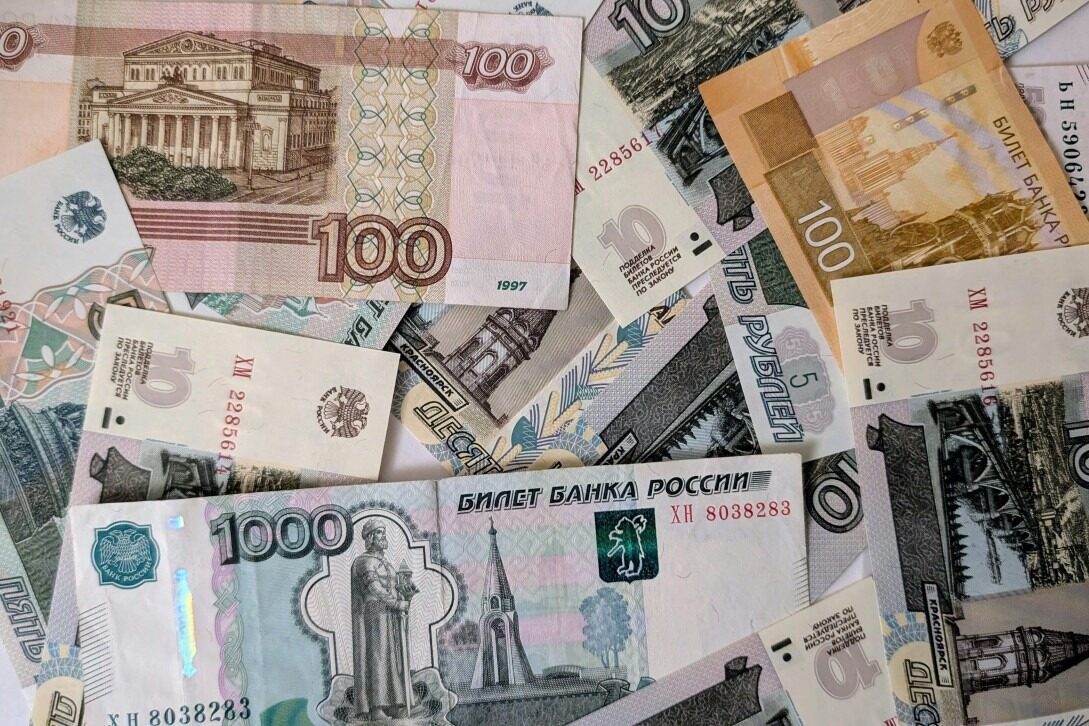
The EU has adopted restrictive measures targeting nearly 50 additional Russian banks and financial institutions, further tightening restrictions on Russia’s financial sector.
By progressively tightening and expanding sanctions on Russia’s banking sector, the EU says it is cutting off financial channels that process state revenues and fund Russia’s war effort.
The new listings also target Russia’s e-commerce sector. They include the sole shareholder of Wildberries, Russia’s largest retail company, and an individual controlling the majority stake in another major Russian e-commerce company, Ozon.
This builds on the more than 100 banks and financial institutions already subject to EU sanctions. The new measures extend restrictions across the sector, from major institutions to smaller regional players.