


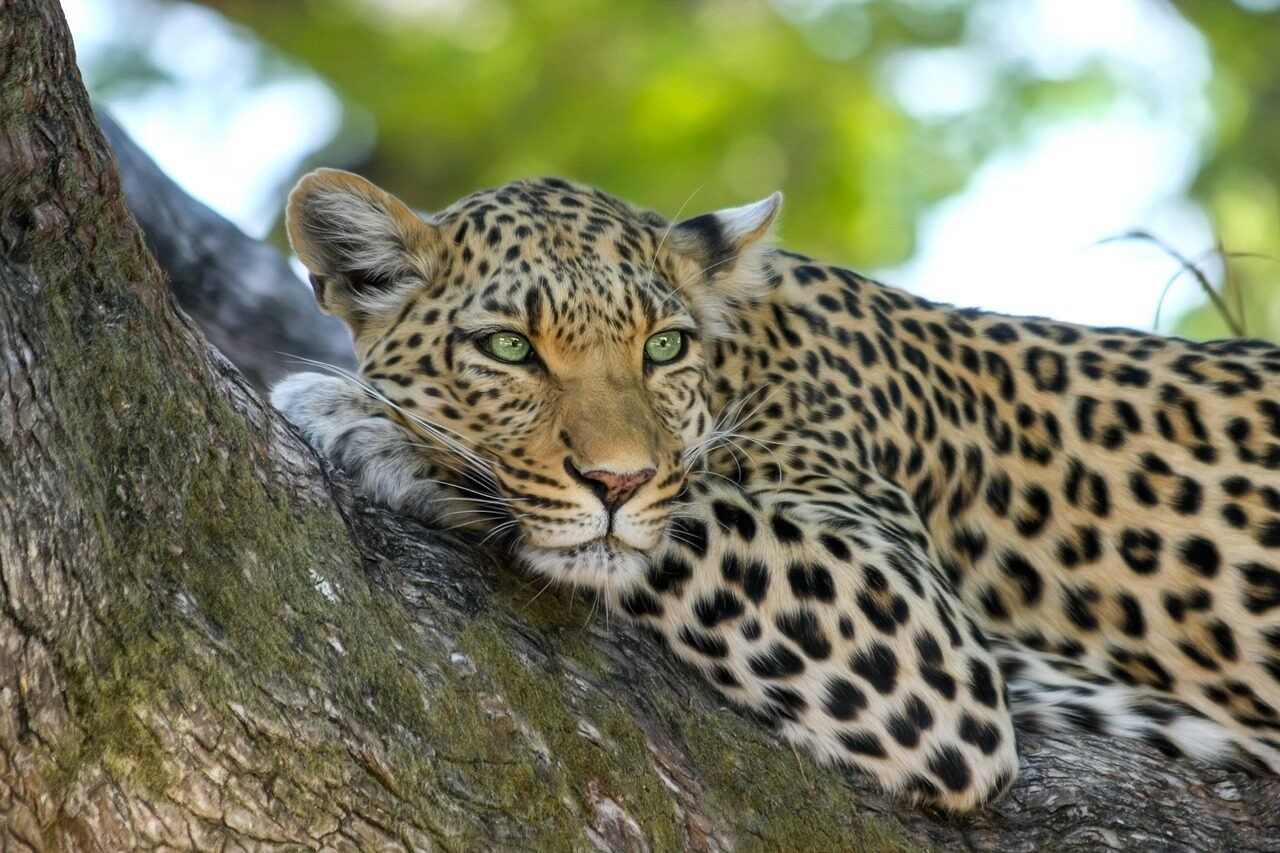
Wildlife populations have declined by more than 70% over 52 years, but nature can recover if humanity transforms its energy, food and financial systems, according to WWF’s 2026 Living Planet Report.

The Living Planet Index, compiled by the Zoological Society of London (ZSL), tracks changes in more than 35,000 populations of nearly 6,000 vertebrate species between 1970 and 2022, WWF said in a statement on Thursday.
The steepest decline was recorded in freshwater ecosystems, where the average size of monitored populations fell by 85%, followed by terrestrial populations, down 69%, and marine populations, down 59%.
Habitat loss and degradation are the most common threats, followed by overexploitation, climate change, pollution, invasive species and disease. These pressures are driven primarily by systemic problems in the way food, energy and financial systems operate, the report said.
Although the overall trend is dominated by sharp declines, half of the monitored populations remained stable or increased. Conservation success stories highlighted in the report include the recovery of some populations of tigers, Atlantic bluefin tuna, elephants in southern Africa and loggerhead sea turtles, demonstrating that sustained, long-term conservation efforts can deliver tangible results.
Signs of positive change are already emerging in the systems that are major drivers of nature loss, the report said. Solar power has become the cheapest source of electricity generation in most countries, while more nature-friendly production and consumption practices are gaining ground in food systems.
Transformation of the financial system, however, remains at an early stage, with an annual global funding gap of $942 billion for biodiversity conservation, the report said.