

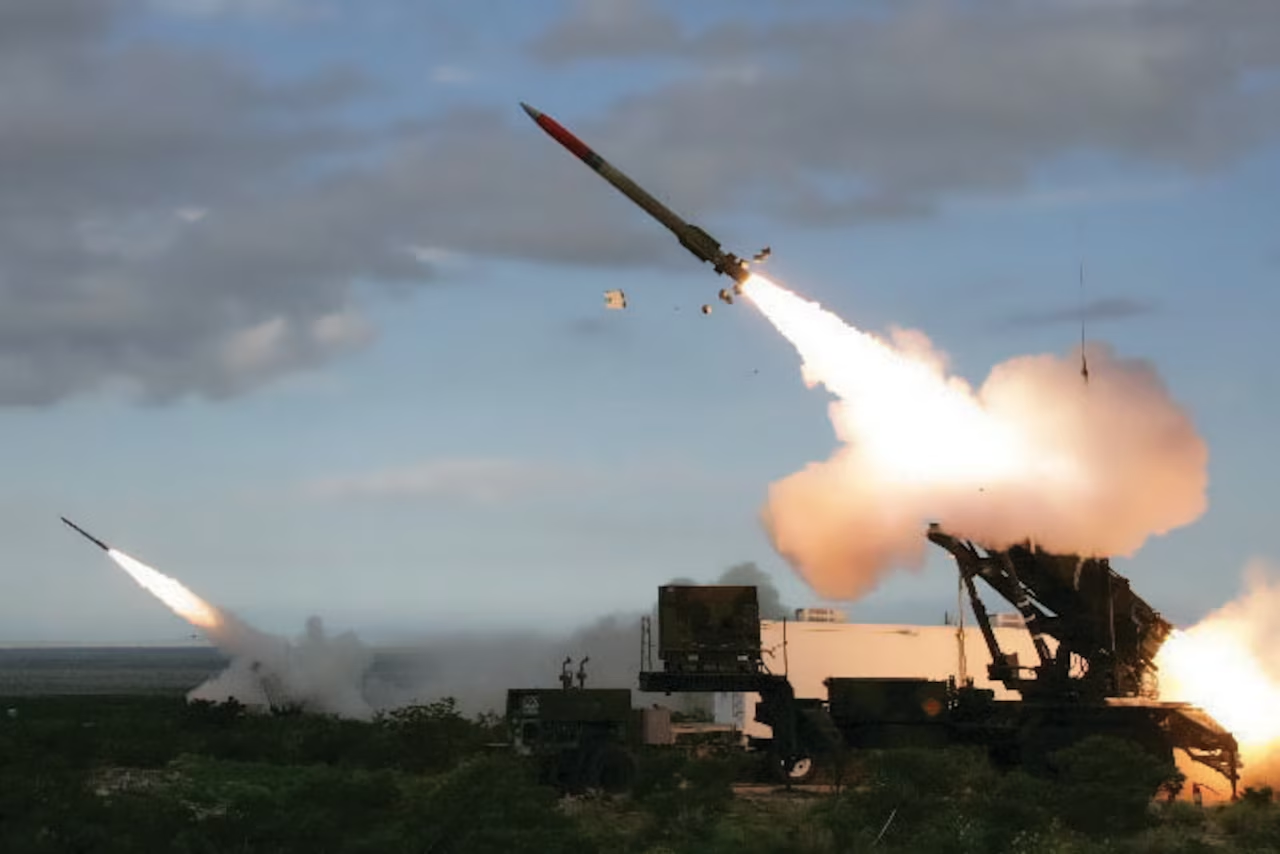
Japan’s Mitsubishi Heavy Industries manufactures PAC-3 interceptor missiles under a U.S. license. The PAC-3 is a version of the Patriot air defence system optimised specifically for intercepting ballistic missiles at high speed, using a so-called hit-to-kill approach.

Mitsubishi’s production capacity is estimated at around 30 missiles a year. The company wants to double that capacity, but expansion is being held back by a shortage of a key component: the guidance seeker, which is manufactured by Boeing. This means the Japanese company cannot ramp up production because it remains dependent on a bottleneck at a U.S. supplier in its supply chain.
The historic shift was not the production itself, but Japan’s decision to authorise the export of the missiles. After World War II, Japan imposed stringent restrictions not only on arms exports but also on involvement in conflicts between other countries. Article 9 of Japan’s constitution primarily renounces war, while restrictions on arms exports stemmed from subsequent government policies. Together, however, they created a strongly pacifist defence framework that remained in place for decades.
In late 2023, the Japanese government eased the rules, allowing weapons manufactured in Japan under foreign licences to be transferred back to the country that granted the licence. This opened the way for Japanese-made PAC-3 missiles to be supplied to the United States.