


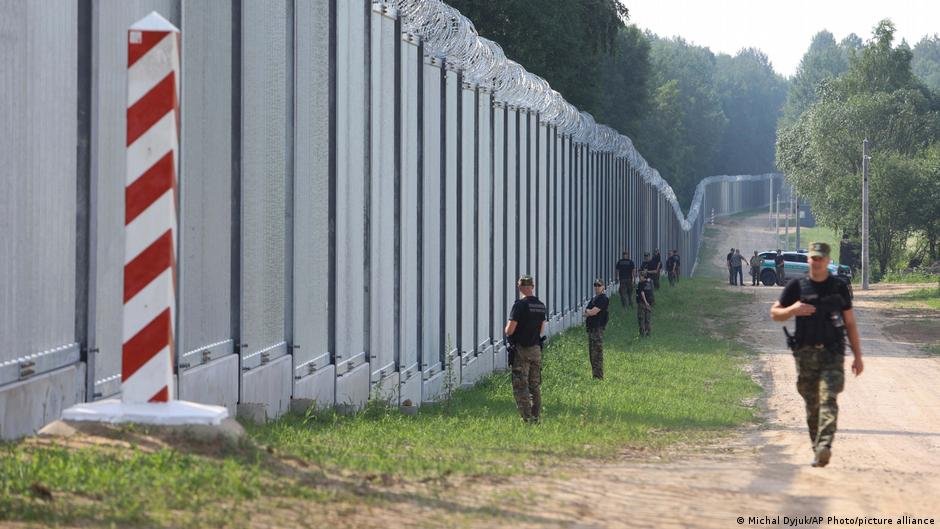
The European Economic and Social Committee is calling on the European Union to adopt a long-term, dedicated strategy and increase funding for its eastern border regions, warning that they face security, economic and demographic pressures that exceed the scope of existing policy tools.

A key recommendation from the opinion on the Strategy for eastern border regions, adopted at the EESC’s June plenary, is that regions bordering Russia, Belarus and Ukraine should be treated as strategic frontlines rather than peripheral areas.
“Their resilience is Europe’s resilience. We cannot ask these regions to withstand security threats, economic pressure and demographic decline with tools that were not designed for this reality.”
Said EESC President Seamus Boland during the adoption debate. The discussion followed the European Commission’s communication on Strong eastern regions for a safe Europe.
Belarus and Democratic Resilience
Belarusian opposition leader Sviatlana Tsikhanouskaya said resilience is not only about infrastructure or defence capabilities, but also about people, democratic values and the courage of civil society. She argued that, despite severe repression and growing Russian influence, many Belarusians continue to organise, build connections and work for democratic change.
“By supporting Ukraine, you also support Belarus.”
She said, linking the future of Belarus to Ukraine’s ability to resist Russian aggression. The EESC says EU cohesion policy alone is not sufficient and called for a more geopolitical, place-based approach to regional development.