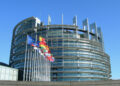


On 3 September, the Subcommittee on Human Rights hosted a public hearing on “Rights and Persecution of Religious Minorities in the World.” The purpose of the hearing — to gain insight into the EU’s priorities relating to the promotion of freedom of religion or belief in the external dimension of the European Union, as well as to assess the EU toolbox available to prevent and address the persecution and discrimination of religious minorities worldwide.

Through contributions from a distinguished panel of speakers, including the EU Special Envoy for the Promotion of Freedom of Religion or Belief outside the EU, Ms Mairead McGuinness, the UN Special Rapporteur on minority issues, Mr Nicolas Levrat, and the President of the Institute for European Studies at the Université libre de Bruxelles, Mr François Foret, the hearing will provide a holistic overview of the emerging challenges facing religious minorities, as well as the strategic priorities of the European Union in promoting and protecting freedom of religion or belief and addressing persecution and discrimination worldwide.
In 2022 the European Parliament adopted a resolution on the persecution of minorities on the grounds of belief or religion.
Members are concerned about the high levels of coercion, discrimination, harassment, violence and repression suffered by people belonging to religious or belief minorities. This global phenomenon is intensifying in some regions and affects many religious communities, including Buddhists, Christians, Hindus, Muslims and Jews, as well as groups of people who are atheists, humanists, agnostics or who do not identify with any belief or religion.
Parliament affirmed its determination to promote and protect the rights of persons belonging to minorities of religion or belief throughout the world, including their right to adopt, change their religion or belief, or to choose, manifest, practice or abandon their religion or belief, in accordance with the principles of equality and non-discrimination. They strongly condemned all forms of persecution, violence and incitement to violence and acts of terrorism directed against any minority based on religion or belief.
Members also denounced the fact that a considerable number of individuals and civil society organisations are persecuted for peacefully questioning, criticising or caricaturing religious beliefs. These persistent violations of their freedom of thought and expression occur even within the Member States of the European Union.
The resolution stressed that states have the primary responsibility to promote and protect the human rights of persons belonging to religious or belief minorities, while protecting them against violations of these rights, in particular crimes against humanity and genocide. Churches, faith-based organisations and other institutions of belief and religion, as well as religious associations, play an important role in the social fabric of developing countries.