

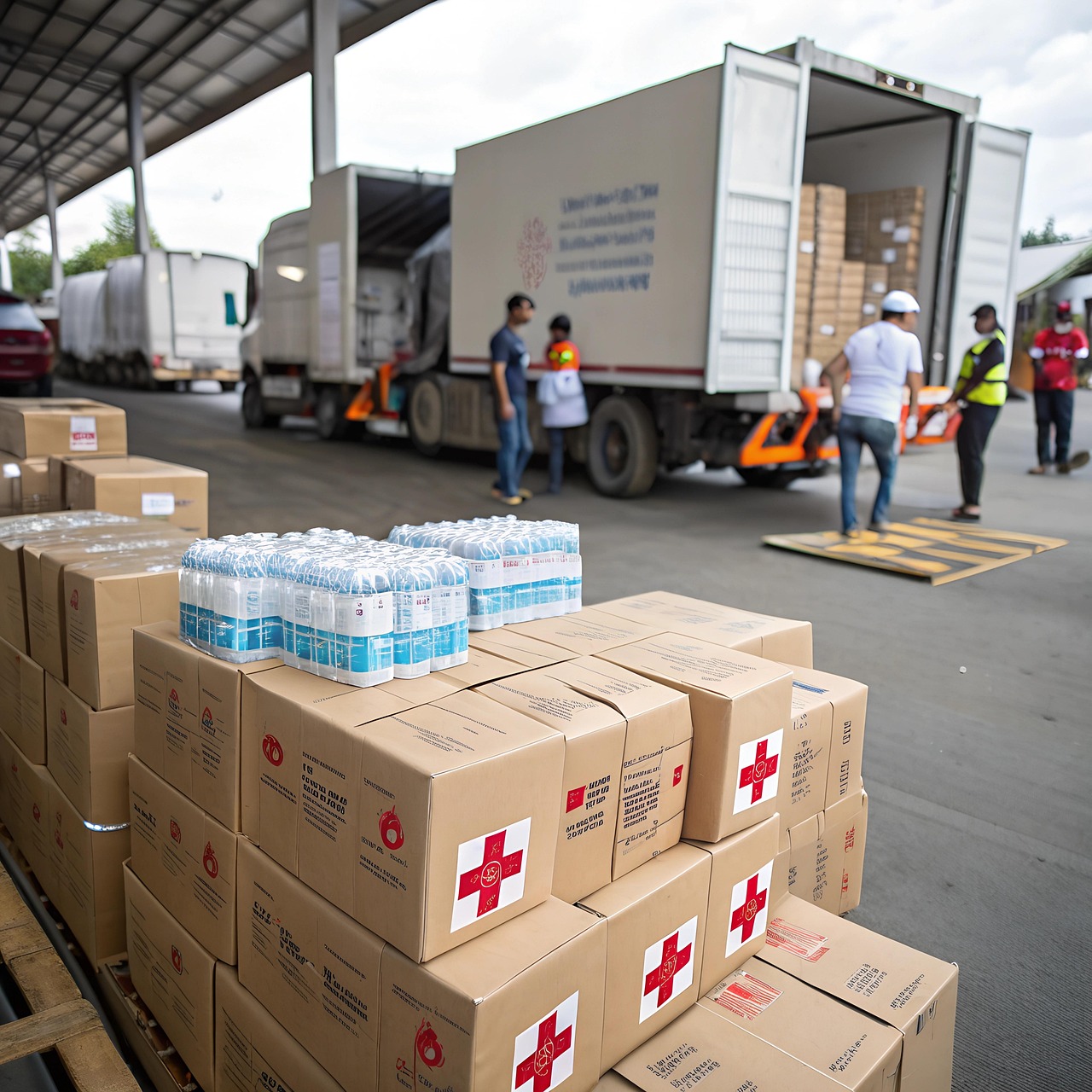
On World Humanitarian Day, 19 August, Kaja Kallas, High Representative for Foreign Affairs, and Hadja Lahbib, Commissioner for Equality, in a joint statement said that with its “Protect Aid Workers” rapid-response programme, the EU provides immediate support to local humanitarian workers under attack. This support is vital: local aid workers account for 90% of those targeted, while often lacking the protections available to international staff. In 2025, the programme has assisted 782 aid workers across 25 countries.

“On World Humanitarian Day, we honour the extraordinary courage of aid workers who put themselves in harm’s way every day to deliver food, water, shelter, and medical care to people in desperate need. Their dedication — often in places where the world has looked away — is one of humanity’s most powerful expressions of solidarity.
Their courage often comes at a terrible cost. Aid workers continue to be targeted, kidnapped, and killed at an alarming rate. So far in 2026, 82 aid workers have been killed, 39 kidnapped, and 97 wounded. Attacks on humanitarian personnel, hospitals, and civilian objects are not accidents, they are violations of international humanitarian law. And the law is clear: the protection of civilians, including humanitarian workers, is not optional. Impunity only fuels further atrocities. The scale of global humanitarian suffering today is staggering. In Sudan, one of the world’s worst humanitarian crises continues to claim lives and displace millions, while humanitarian access is routinely blocked. In Gaza, destruction and suffering continue on a catastrophic scale. In Ukraine, Russia’s war of aggression has created humanitarian needs that reverberate far beyond the country’s borders, disrupting food supply chains and pushing vulnerable communities deeper into crisis across Africa and the Middle East. From the Horn of Africa to the Sahel, from Afghanistan to Myanmar, humanitarian crises continue to unfold with far too little global attention.” — the statement says.
The European Union is one of the world’s largest humanitarian donors, but funding alone is not enough. EU must continue its humanitarian diplomacy to advocate for rapid, safe and unimpeded humanitarian access, so that aid workers can reach those in need.