

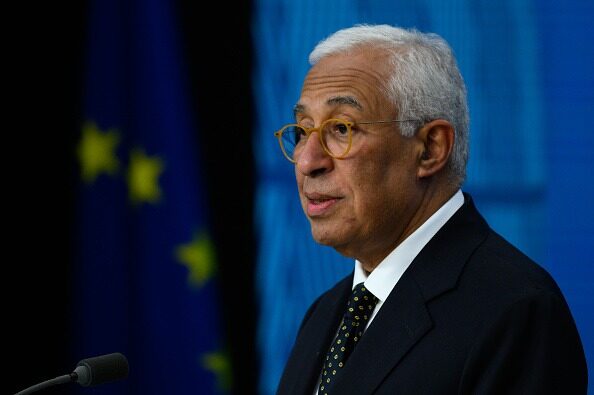
António Costa, the European Council president who shepherds the negotiations among the 27 national capitals, proposed overall cuts of 10% to the European Commission’s almost €2 trillion blueprint and included tweaks to the revenue side of the budget, so-called “own resources.”
His proposal sets commitments at €1.78 trillion in a bid to reconcile competing demands for farm support, cohesion funds, defence and economic competitiveness.
The EU’s “frugal” countries are not buying Costa’s latest budget “nego box,” arguing that the proposed cuts do too little to rein in spending and demanding deeper savings from the bloc’s next seven-year budget. Led by Germany, Austria, Sweden, Finland, Denmark and the Netherlands, the six countries lamented that Costa’s cuts leave an unbalanced spending plan — Rapporteur reports.
Germany is the single biggest contributor to the EU budget and wants to see cuts to traditional spending, like regional and agriculture, rather than the “new priorities” like defence and competitiveness.
Peter Hummelgaard, Denmark’s minister, echoed the sentiment. According to him, the compromise is not only “too high,” but the proposed reductions were “unbalanced.”
Sweden also signalled that a deal remains far off. “We are still a long way from a compromise,” said Jessica Rosencrantz, the country’s EU affairs minister. Still, the fiscal hawks’ language is softer compared to previous proposals.
The inclusion of a proposed digital levy into the basket of new revenue streams to fund the budget is also seen as a concession to Paris. France has made “new own resources,” especially a digital tax, its prerequisite for a deal.
The French, however, do not see it the same way. A source at the Élysée, the French presidential palace, described Costa’s compromise as “very disappointing.”
Siegfried Mureșan, one of the European Parliament’s lead negotiators on the budget, said the latest draft “takes us backwards” by introducing further spending cuts.
“This proposal is unacceptable to Parliament and cannot form the basis for our consent,” he added. MEPs want to see the Commission’s €2 trillion blueprint increased by 10%.