

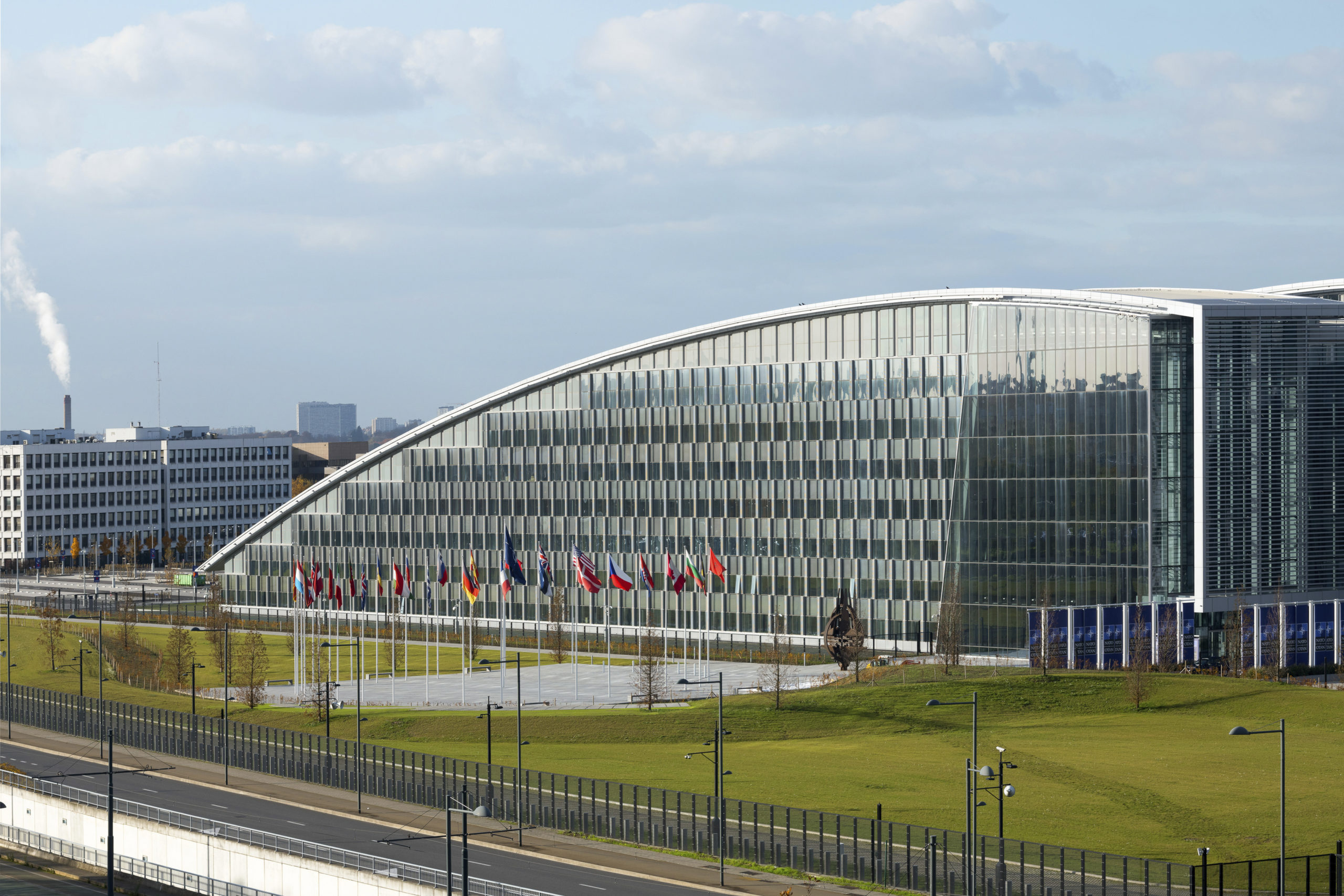
NATO is not disappearing, but it is undergoing a fundamental transformation. In the “new” NATO, Europe will play a much larger role. According to U.S. Secretary of Defense Pete Hegseth, Europe should take the lead in building a renewed “NATO 3.0” and in creating a genuine, hard-line military alliance.

Hegseth made these remarks at NATO headquarters in Brussels ahead of a meeting with NATO partners. Many partners feel that NATO lost its original purpose after the Cold War and are now attempting to sustain the alliance by redefining its mission.
A Post-Cold War Realization
In this context, Russia’s invasion of Ukraine has proven useful, as it has amplified political voices advocating a stronger focus on military spending. NATO 3.0 is the result of a realization that the alliance must return to being a genuine, hard-line military organization with real capabilities — one that can provide deterrence directly on the European continent.
Of course, there is a long road from such declarations to actual implementation, and given Europe’s current economic situation, that road appears particularly challenging. Some European countries, such as Poland, are capable of making significant efforts in military rearmament. Others, however, are unwilling to devote all available resources to defense spending.
President Donald Trump has repeatedly urged European NATO allies to increase their defense expenditures, while signalling his intention to reduce the role of the United States within the alliance.
Trump has increasingly focused his attention on China and the Indo-Pacific region, adding further urgency to Europe’s push to take the lead on its own conventional defense.