

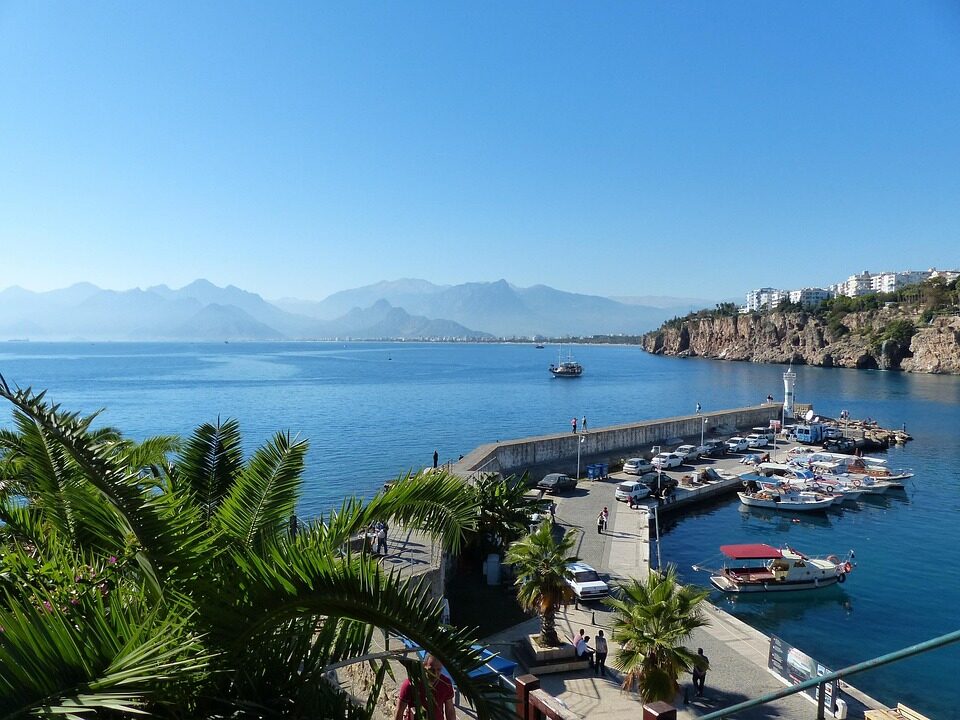
At the COP31 UN Climate Change Conference in Antalya, Türkiye, from 9-20 November, the European Union will work with international partners to accelerate global climate action and deliver on the goals of the Paris Agreement. Amidst growing geopolitical and energy security challenges, the socio-economic rationale is becoming even stronger for clean electrification, the deployment of clean and renewable energy sources and technologies, transitioning away from fossil fuels, and mobilising investment.
This year’s conference is an opportunity to pursue concrete action to advance the implementation of the Paris Agreement and the outcome of its first Global Stocktake. It should also demonstrate the momentum behind the global clean energy transition. The EU says it will continue acting as a reliable and ambitious partner that delivers at home, and drives cooperation and decarbonisation abroad. The Union’s direction of travel is clear: continue its efforts on mitigation and adaptation, advance the clean energy transition and achieve climate neutrality by mid-century.
European Commission President Ursula von der Leyen said: “This summer the devastating impact of climate change was once again on full display. As we stand at a global tipping point, Europe is more committed than ever to leading by example, at home and globally. We remain on track to become the first climate-neutral continent. We are supporting electrification worldwide. We are mobilising climate finance so everyone can reap the benefits of the clean energy transition. We are committed to making this COP deliver.”
The Electrify Now global campaign, launched earlier this year by the Commission and international partners, will pursue work at COP31 with other governments and stakeholders aiming to drive the clean energy transition and electrification. As Co-Chair of the Open Coalition on Compliance Carbon Markets unveiled at COP30, the EU will further promote carbon pricing as an effective tool for reducing emissions and stimulating investment. Through the Climate Club and alongside the Turkish COP31 Presidency, the EU will also advance work on green industrialisation, and a number of other plurilateral initiatives will also demonstrate that “coalitions of the willing,” involving the EU and its Member States, are accelerating action on the ground.
The Commission recently presented an EU Framework for Climate Resilience to strengthen Europe’s ability to anticipate, prepare for, and manage climate risks domestically. It is also essential to work with partners across the world to boost resilience and preparedness, in particular with regions and communities that are most affected by climate change. In Antalya, the EU negotiating team will work towards operationalising the climate adaptation indicators agreed at COP30 under the UAE–Belém Framework for Global Climate Resilience, helping all countries track progress and strengthen preparedness.
Another important element for delivering the clean transition is climate finance. In 2025, the EU and its Member States continued to be the world’s largest provider of public climate finance, providing €32.3 billion from public sources and mobilising an additional €9.3 billion of private finance to support partner countries in reducing their GHG emissions and adapting to the impacts of climate change. At COP31, the EU will focus on implementation of the New Collective Quantified Goal, calling for engagement from all actors within and beyond the United Nations Framework Convention on Climate Change (UNFCCC), with particular attention to the needs of Least Developed Countries and Small Island Developing States. The EU will also insist on basing all decisions on the best available science and will work on the operationalisation of the Belém Just Transition Mechanism enabling fair and inclusive transitions.