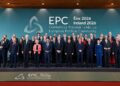


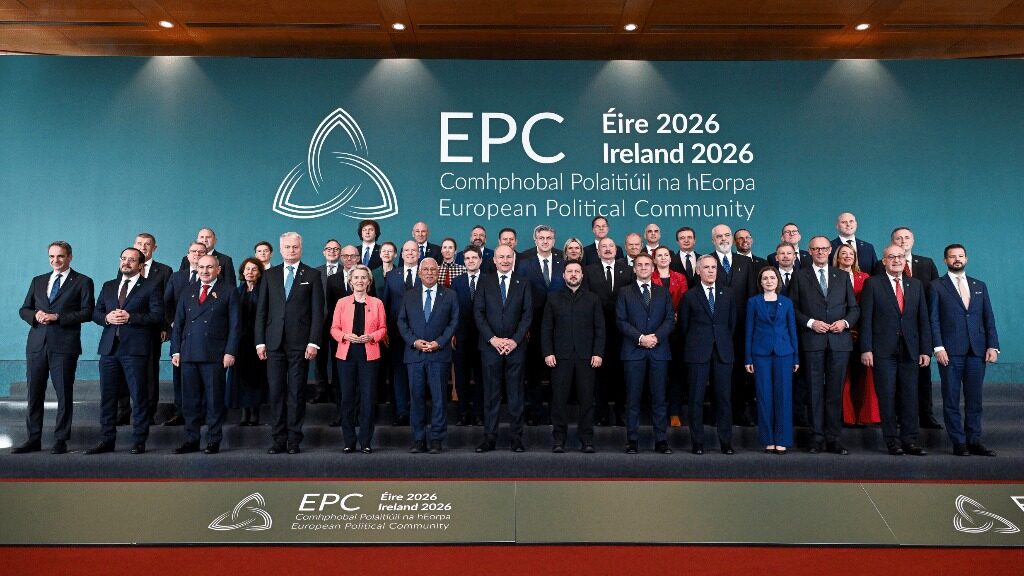
The ninth summit of the European Political Community brought together 50 leaders from across the continent in Dublin, Ireland under the general theme ‘Europe: strong, secure and connected.’
The summit was co-chaired by António Costa, the President of the European Council, and Micheál Martin, Taoiseach of Ireland.
“The security of our continent is our collective responsibility. And the EU is playing its part, working together with partners for peace in Ukraine” — President Costa said.
Against the backdrop of Russia’s war against Ukraine, leaders discussed how to make the European continent more secure, more resilient and even more interconnected.
NATO’s Secretary General, Mark Rutte, who also took part in the Summit, said that European Allies and Canada are spending a quarter of a trillion extra U.S. dollars in defence in 2025 and 2026 combined. He added that more needs to be done to increase defence spending, ramp up defence industrial output, and bring a whole-of-society approach to building resilience.
The discussions have also focused on strengthening Europe’s economic competitiveness, promoting innovation and energy cooperation, and improving the continent’s ability to respond to security threats, including foreign interference and hybrid attacks.
Concerning the Ukraine conflict, European leaders tried to coordinate their positions amid renewed diplomatic efforts to end the fighting. Ukrainian President Volodymyr Zelenskyy, who was among the leaders attending the summit, informed the leaders about his meeting with Witkoff and Kushner.
According to the president of Ukraine there are three key outcomes of the peace talks in Abu Dhabi:
“Firstly: a humanitarian outcome, prisoners will be released, and we are expecting the largest prisoner exchange since the start of this war. Secondly: we are involving European representatives even more actively in diplomacy so that they can sit at the negotiating table on an equal footing. Ukraine always defends the interests of the whole of Europe. Thirdly: we are also preparing for further multilateral meetings. Diplomacy will remain active,” Zelenskyy emphasised.
Canadian Prime Minister Mark Carney was also attending as a guest, highlighting the forum’s role in promoting dialogue beyond the European Union.
European Council’s president, António Costa, recalled Europe’s priorities in the ongoing negotiations:
“They are clear and they remain unchanged: first, reaching a ceasefire, second, reestablishing navigation in the Black Sea, third, creating the conditions for a peace agreement. The fact is that, so far, there has been limited concrete progress in that direction. Because, so far, Russia continues to be focussed on escalating the war. It has yet to demonstrate that it prioritises peace over dominance.” — he said during his press conference after the meeting.