

The diplomatic service of the European Union is under growing pressure to reform. According to the member states, the diplomatic service of the EU needs to speed up its defence preparedness or risk being caught flat-footed, but some member states appear to create obstacles rather than proposing useful new ideas.

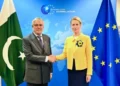
Europe has to fill its defence capacity gaps and set a clear direction ahead of the Munich Security Conference in February next year but at the moment there is no clear vision. All member states want to be consulted on foreign policy matters, even to appoint an advisory body. The initiative to launch a new high-level group was announced by Kaja Kallas on 1 September 2023. The group was intended to consist of senior political and military leaders from several EU countries, as well as from Ukraine and the UK. Kallas hoped her new group would provide some non-binding recommendations for shorter-term solutions. The group was scraped just days after its announcement, due to strong opposition from the member states, especially France, Germany and Italy. The cancellation caused a great setback for Kallas, who has repeatedly clashed with Commission President Ursula von der Leyen over who steers the bloc’s foreign policy. Von der Leyen has pursued what she dubbed a “geopolitical Commission” and periodically tested her own footing on international affairs.
“The problem that was mentioned by many member states is that, if we then move everything to the Commission, then especially the small member states lose control of the foreign policy,” Kallas says.
As the Commission increasingly centralized any further stumbling that could alienate support from the member states might prove fatal for Kallas and her institution.