

A deal between U.S. President Donald Trump and Russian President Vladimir Putin has sparked serious tensions between Washington and Kyiv.

Under the arrangement, Russia can immediately supply more than 300,000 tonnes of diesel to the market, Trump said, with a further 500,000 tonnes due in November, followed by one million tonnes. The U.S. president later also referred to the possibility of an additional three million tonnes.
The U.S. Treasury Department issued a temporary authorisation allowing sales of Russian diesel, permitting the transactions covered by the measure until April 7, 2027. Moscow subsequently announced it would ease fuel export restrictions earlier than previously planned.
Trump described the deal as a significant achievement for the U.S. economy and specifically thanked Putin. Kyiv said it was not opposed in principle to easing sanctions, but made any such move conditional on a reciprocal energy ceasefire.
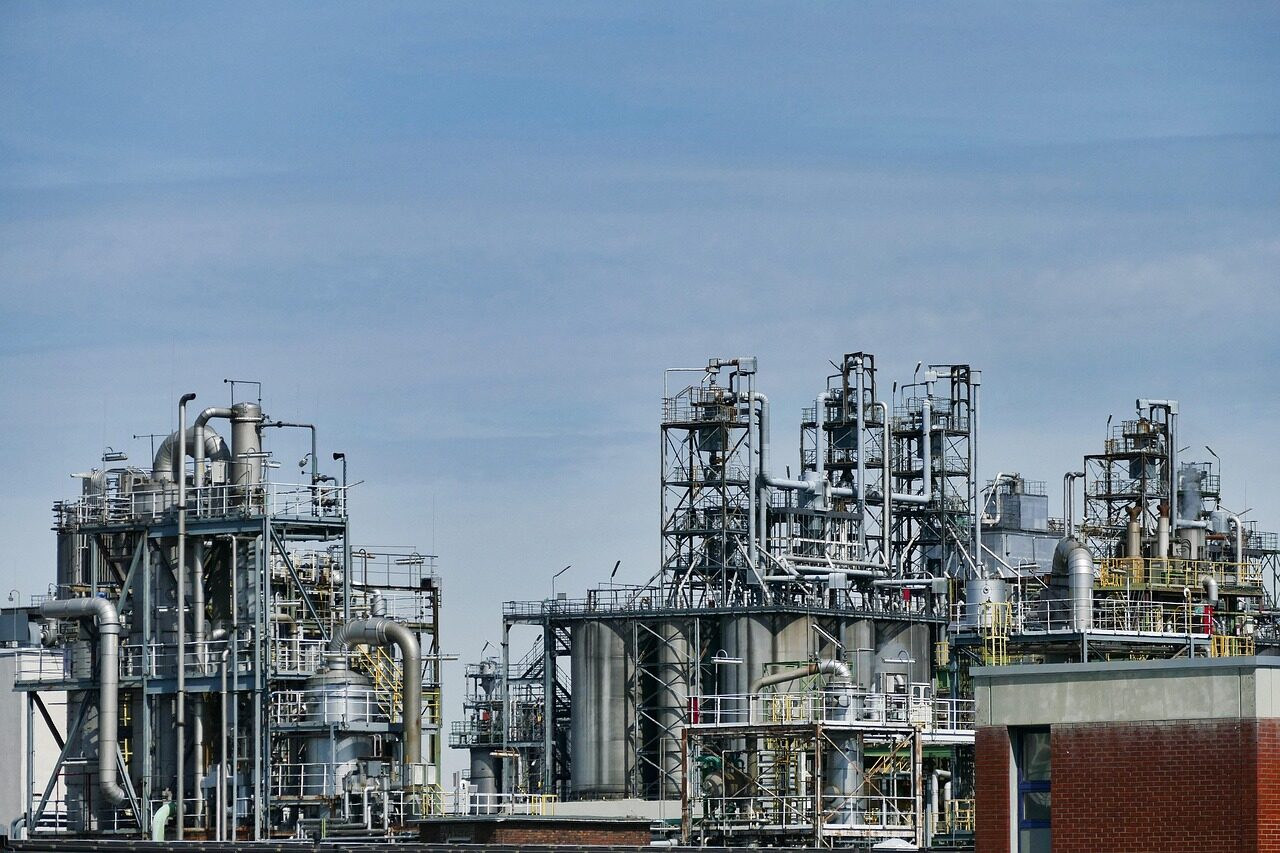
Under the proposal, both sides would refrain during the winter months from attacking energy infrastructure, including power plants, substations and oil refineries. Ukrainian government sources said Ukrainian strikes on Russian refineries would continue in the absence of such an agreement.
According to Axios, the U.S. administration is demanding that Ukraine halt its attacks and has also threatened to suspend the sharing of intelligence. Washington argues that strikes on refineries are contributing to rising fuel prices.
Three Democratic senators, Jeanne Shaheen, Chuck Schumer and Elizabeth Warren, sharply criticised the deal, saying it undermines the interests of Ukraine and its European allies.
The Institute for the Study of War warned that Moscow had so far made no meaningful concessions towards peace.