


Speech characteristics may provide substantially more information about an individual’s health status and biological aging than previously recognized, according to a recent study employing an automated computational tool known as a “speech clock.” Speech-derived age is not merely a reflection of vocal characteristics or prosody; rather, the researchers suggest that it may capture underlying biological processes occurring throughout the body. They propose that this approach could ultimately provide an inexpensive, non-invasive, and automated alternative for assessing biological aging.

The speech clock was able to differentiate healthy individuals from those with dementia. Healthy participants exhibited the smallest discrepancy between speech-derived age and chronological age, whereas progressively greater age discrepancies were observed in individuals with Alzheimer’s disease and various forms of frontotemporal dementia.
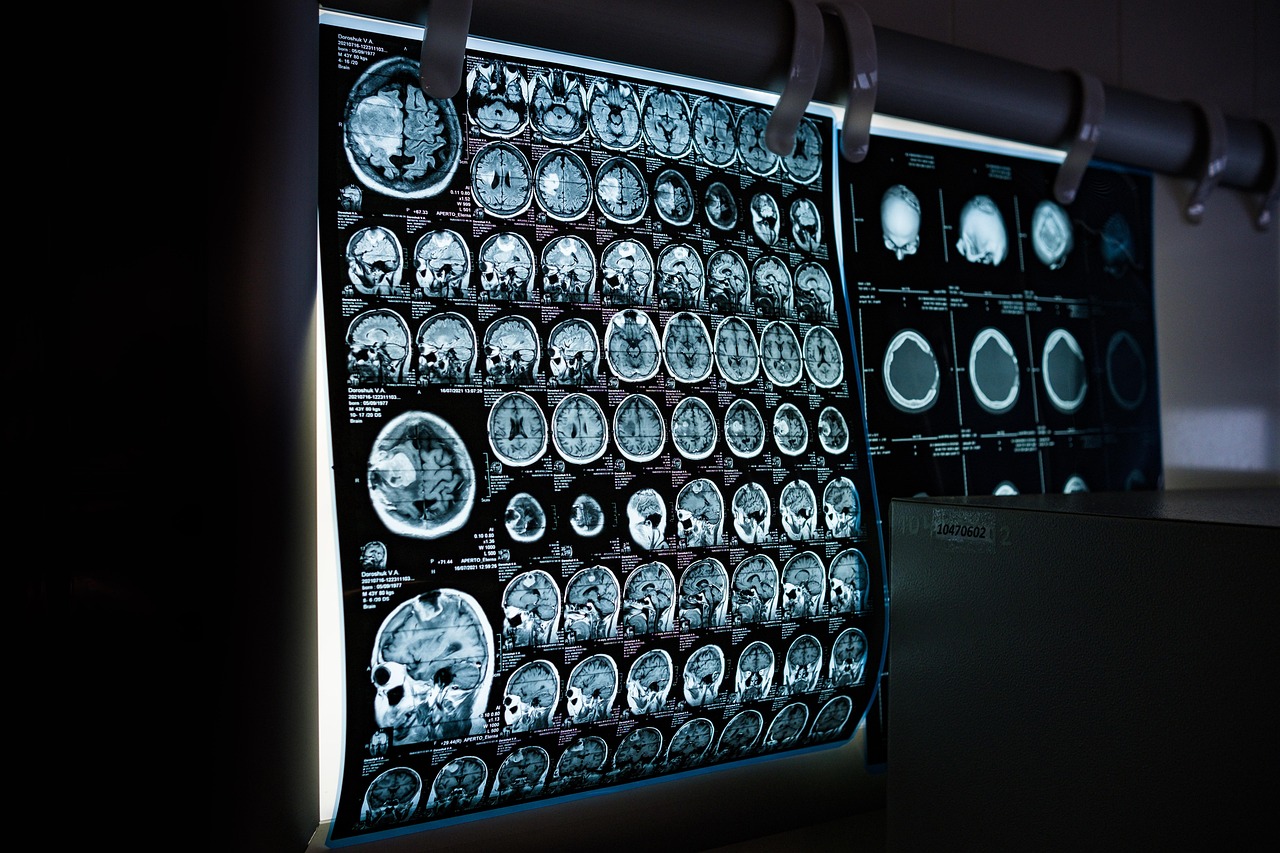
Participants whose speech was estimated to be older than expected relative to their chronological age exhibited evidence of accelerated aging across multiple biological and clinical domains. Magnetic resonance imaging (MRI) revealed greater structural brain loss as well as alterations in brain function.
Higher speech-age scores were also associated with elevated levels of p-tau217, a blood-based biomarker strongly associated with Alzheimer’s disease and widely investigated as an indicator of Alzheimer’s-related neuropathology.
Individuals whose speech was assessed as older performed more poorly on measures of memory, attention, and executive problem-solving abilities. Importantly, these associations were not restricted to language-dependent tasks; they were also observed in non-verbal assessments, including measures of visual memory.
The authors noted that many currently available measures of biological aging require MRI scans, blood sampling, or specialized clinical assessments. In contrast, the speech clock could offer a relatively inexpensive, non-invasive, and automated approach that may be administered remotely using commonly available consumer devices, without requiring specialized healthcare personnel.
The researchers nevertheless emphasized that the speech clock is not currently intended as a diagnostic tool for dementia. Furthermore, the present findings do not establish whether an older speech-age profile can prospectively predict subsequent cognitive decline. Further longitudinal research will therefore be required to determine whether speech-derived age has predictive value for future changes in cognitive function and neurodegenerative disease.