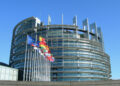


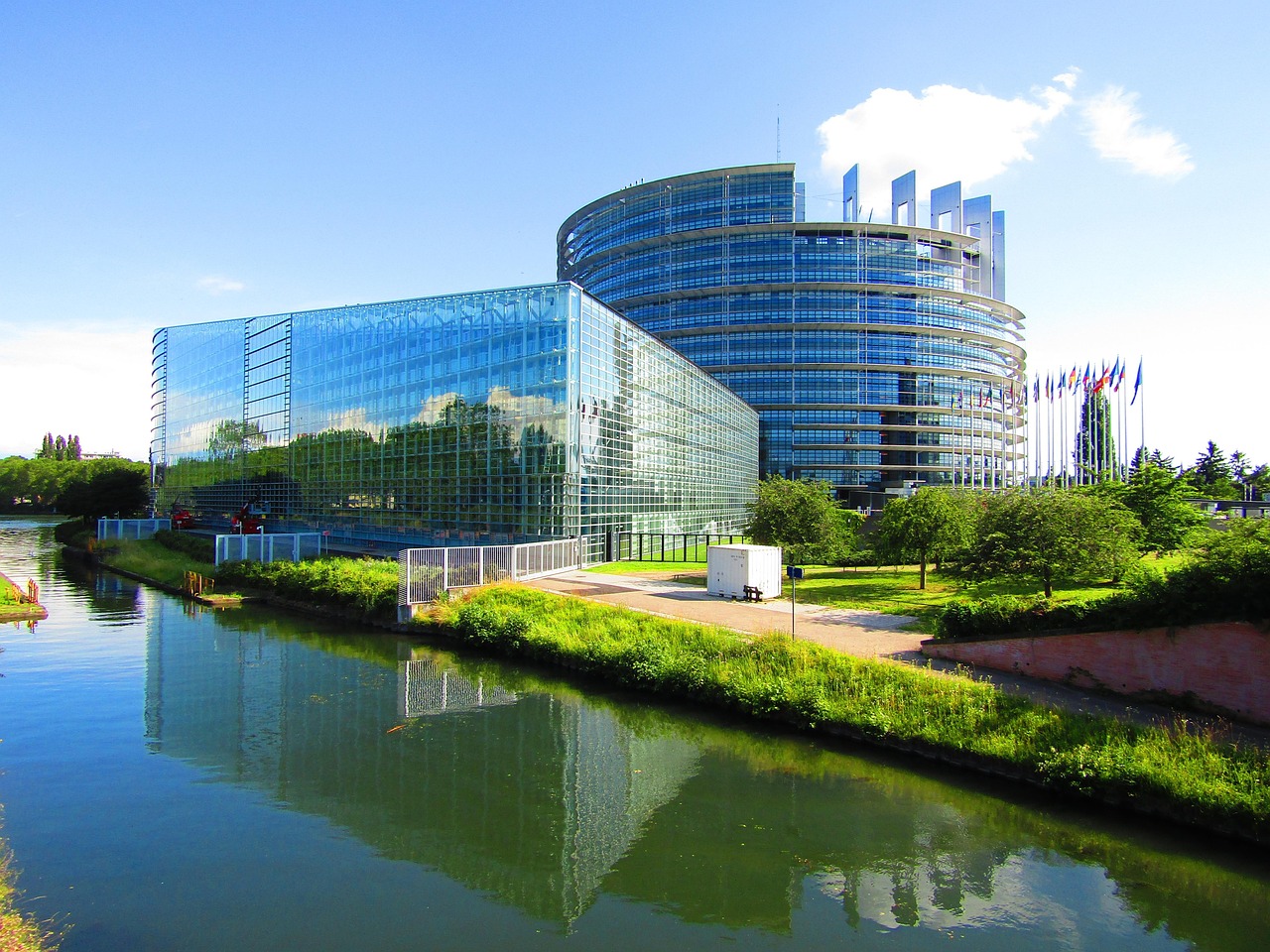
Ursula von der Leyen, the president of the European Commission, has delivered her annual State of the European Union speech at the plenary session of the European Parliament in Strasbourg. She opened the door for Canada to become the first-ever “associate member” of the European Union to bring the relationship to the “highest level possible.” According to the basic rule of the EU, Canada cannot be a full member as it doesn’t belong to Europe.

She has put special emphasis on the next seven-year EU budget, which is currently subject to intense negotiations. Her €2 trillion proposal has been welcomed by the Parliament but faces strong resistance from some member states, such as Germany, the Netherlands, Austria and Sweden, who are demanding across-the-board cuts. The Parliament, by contrast, advocates an expansionary vision. For the MEPs it’s easy to ask for more money, because the money will not be paid by them, but the member states.
Von der Leyen underlined the need to approve new own resources, in essence, EU-wide taxes, to raise additional revenue to complement the national contributions, which capitals are reluctant to increase. Ursula von der Leyen made little mention of Ukraine’s growing budget needs.
The centre-right European People’s Party (EPP) is fighting for a stronger Multiannual Financial Framework (MFF), the EU long term budget for the period 2028-2034, EPP President Manfred Weber said.
The Left group in the European Parliament called for a tax on oil companies’ profits in a strongly critical intervention during the State of the Union debate. The EP’s Greens group is ready to push for a windfall tax on energy profits. The Greens also urged von der Leyen to show some pragmatism in the upcoming climate adaptation plan, with the “necessary funds” attached in the MFF, the bloc’s multi-annual budget for the next 8 years.
Von der Leyen injected new life into the discussion by calling to create a European Security Council, saying it would bring together the EU and like-minded countries, including the United Kingdom, Canada, Ukraine and Norway (notably, there was no mention of the U.S.), to discuss and manage threats.
She defended the EU’s existing climate targets but devoted much of her attention to dealing with the consequences of a hotter Europe, including a forthcoming European Heatwave Plan, a European Water Initiative and a Climate Insurance Alliance.